
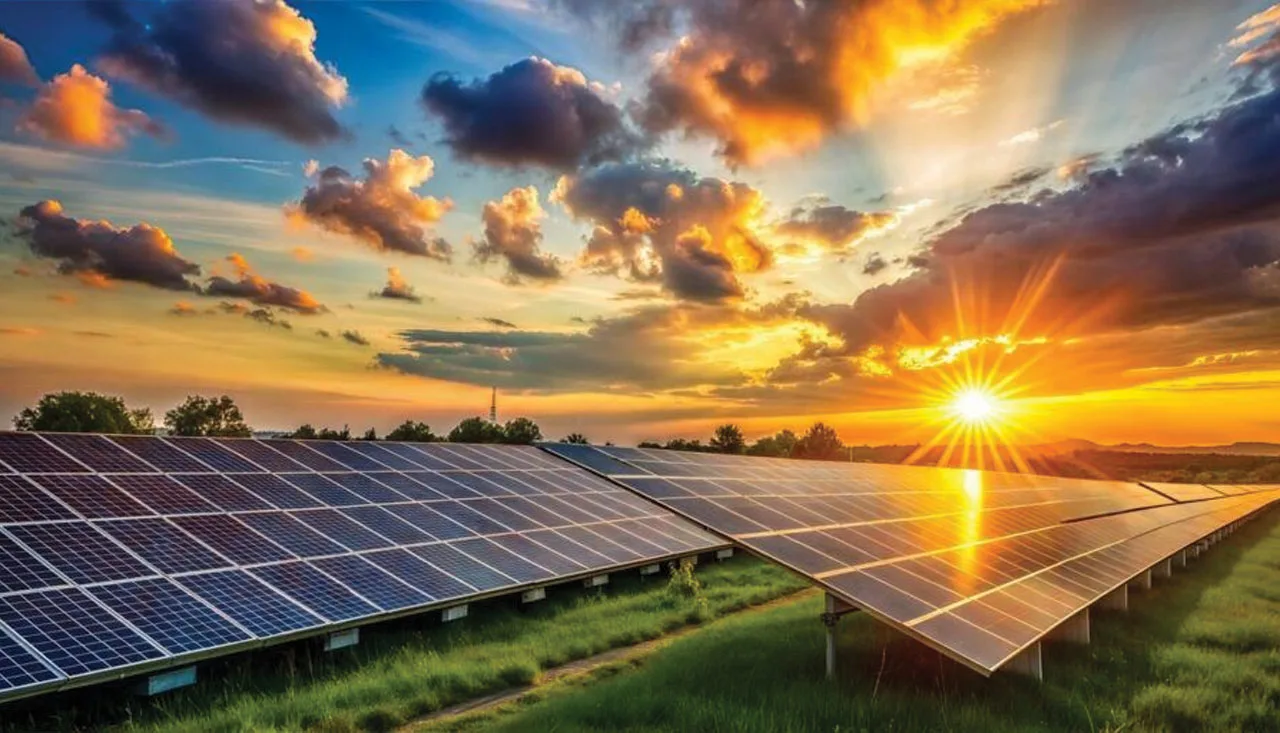
Solar lights are a low-cost, fast way to bring reliable lighting to homes, streets and community spaces. Modern LED + PV + battery systems are efficient, modular, and increasingly affordable. For reliable performance choose quality LEDs, prefer Li-ion (LFP) batteries over old lead-acid, and size the panel + battery to provide 2–4 nights of autonomy.
What is a solar light
A typical off-grid solar lighting system contains:
- Solar panel (PV): Captures sunlight and charges the
- LED lamp: Efficient light source measured in lumens (brightness) not Modern LEDs deliver far more lumens per watt than older bulbs.
- Battery / Energy storage: Stores daytime energy for night use (lead-acid, lithium-ion; LFP is currently the best balance of safety and life-cycle).
- Charge controller / Electronics: Prevents overcharge/discharge, supports dimming and night
- Mounting & Housing: Poles, brackets, and weatherproof Two common product forms:
- Integrated All-in-One (AIO): Panel, battery and lamp in a single unit (easy to install, common for street-lights).
- Separate modular systems: Panel, battery bank and controller mounted separately (flexible and easier to service for larger community/home systems).
Key performance numbers that actually matter
- Lumens (brightness): Choose the lumens needed for the space (e.g., 3,000–4,500 lm for 30 W solar LED walkways).
- Lumens per watt (efficacy): Modern LEDs commonly exceed 100 lm/W; best-in-class devices approach or exceed 200 lm/W for high-end Higher efficacy = less panel + battery needed.
- Autonomy (nights): The battery should ideally store enough for 2–4 nights of lighting to cover cloudy spells.
- Battery cycles & Lifetime: LFP batteries often offer well over 2,000 cycles (many years of daily cycling) and better safety than lead-acid. That reduces lifecycle cost even if upfront is a bit
Why prefer LFP (lithium-iron-phosphate) batteries
Compared with flooded or sealed lead-acid:
- Longer cycle life (≥2,000 cycles in many studies).
- Safer chemistry (more thermally stable).
- Higher usable depth of discharge (you get more usable stored energy).
- Smaller footprint and lighter
These traits make LFP the sensible choice for community solar lights and village systems.
Typical costs
- Small home solar lighting kits (basic 1–3 lamps): Very low cost (a few thousand rupees for ultra- basic kits sold online).
- All-in-one solar street lights (30–90 W class): Prices vary widely, budget options can be under ₹5,000 per unit, mid-range municipal grade units run in the ₹10,000–₹30,000+ range depending on battery type and warranties. Shop for specs, not just price.
- Community systems (separate panel + battery bank + controller + poles + wiring): Plan for lakhs for a medium-sized village deployment (depends on number of tap-points, nights autonomy and local installation costs).
Tip : check the Ministry of New and Renewable Energy technical specifications for solar lighting when writing tenders, they publish standard specs for LED solar street lights and lighting systems.
How to choose the right one
- Define purpose: Street lighting, school/clinic backup, or household lamps? (street = higher lumen targets).
- Brightness & uniformity: Pick lumens and beam pattern for the space (don’t underlight roadways).
- Battery chemistry: Prefer LFP for durability and
- Autonomy target: 2–4 nights is common for
- Controller features: Dusk-to-dawn auto control, dimming profiles, remote monitoring (for municipal installs).
- Warranties: Look for 3–5 year warranties on panels and 2–5 years on LEDs; batteries often have separate warranty terms.
- Serviceability: Can the battery or controller be swapped locally? Are spare parts available?
- Standards & Testing: Require IP65/IP66 enclosures, and insist on tested solar modules and LED binning info.
Maintenance basics
- Monthly visual checks (panel cleanliness, pole & bracket security).
- Quarterly check: Battery voltage & state of charge, controller
- Annual: clean panels, test battery health (capacity test or voltage trends); replace batteries when capacity falls below ~70–80% of original.
- Keep a small maintenance fund and a trained local technician, that’s what keeps systems working for
Procurement & Deployment tips for NGOs / CSR teams
- Specify performance, not Require lumens, run-time, battery cycles, IP rating, and test certificates.
- Ask for an installation + 12-month maintenance package in the
- Pilot Install 3–10 units in different micro-conditions (tree cover, open road, near buildings) and monitor for 6 months before scaling.
- Consider remote monitoring for larger deployments — it dramatically reduces replacement delays for failed batteries/controllers.
Quick spec template
- Light output: X lumens (specify night profile).
- Panel: Y W mono-crystalline, anti-PID, >20-year life
- Battery: LFP, ≥2,000 cycles, usable DoD ≥80%, autonomy 3
- Controller: MPPT (if separate) or intelligent charge controller with dimming and over/under voltage
- IP rating: IP65 or
- Warranty: Panel ≥10 years, LED ≥3 years, battery ≥3
(Refer to International Energy Agency guidance on lighting efficiency when setting lumen/watt targets.)
Solar lights are one of the simplest, most impactful clean-energy interventions for rural and urban projects alike. The technology is mature but success depends on picking the right specs, using durable batteries (LFP), and planning maintenance and service. Start with a small, well-documented pilot, measure performance, and scale what actually delivers reliable light for your users.