
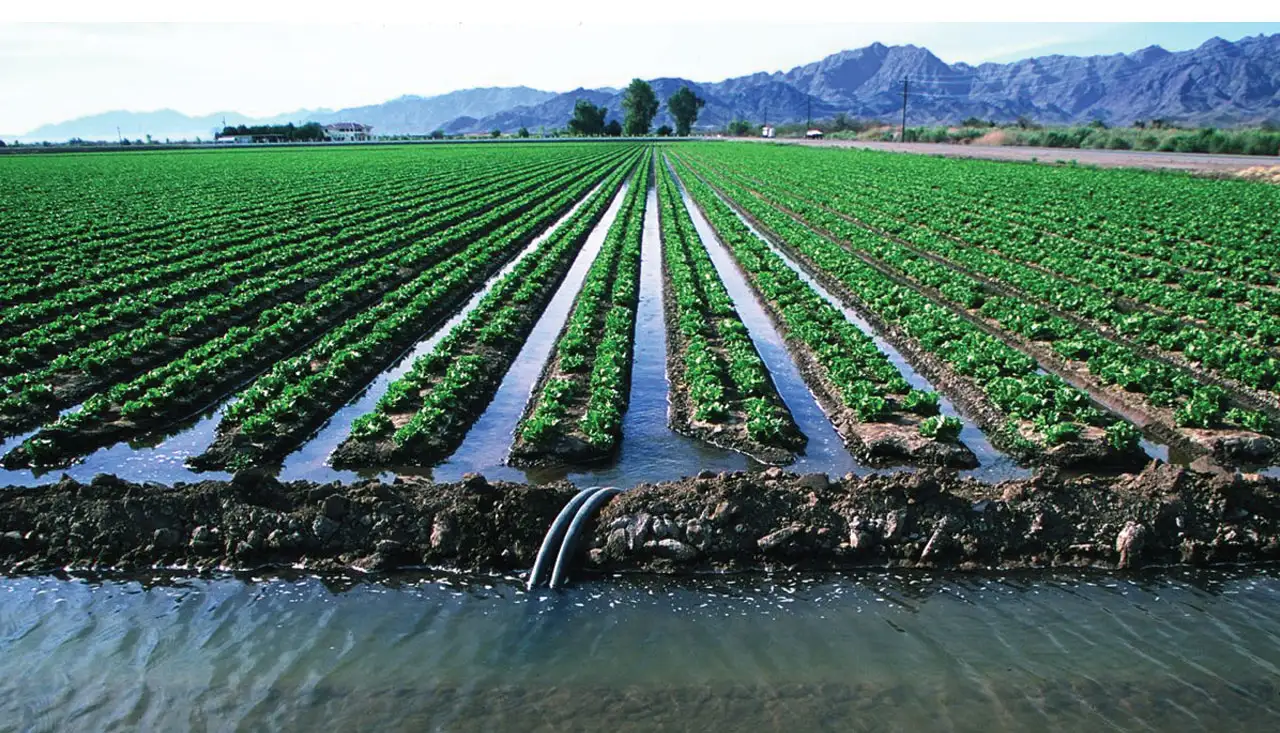
A practical, non-technical guide to Aquafiers. Managed aquifer recharge systems that capture surface water and push it into the ground so wells keep flowing longer. Useful for panchayats, NGOs, CSR teams, rural entrepreneurs and planners.
What is an Aquafier?
Aquafier is a friendly name for a suite of Managed Aquifer Recharge (MAR) approaches: intentionally capturing excess surface or treated water and directing it into subsurface aquifers so groundwater storage and reliability improve over time. MAR uses spreading (infiltration basins), injection (bore-well/injection wells), and small earthworks (check dams, percolation tanks) to store water underground for later recovery.
Why use Aquafiers?
- Restore depleted wells: Recharging aquifers raises water tables so existing wells and shallow borewells Evidence from many projects in India shows measurable groundwater rises after recharge works.
- Store water securely: Subsurface storage avoids evaporation losses common in surface reservoirs and reduces contamination risks if done right.
- Protect coasts & Reduce subsidence: In coastal zones, recharge can slow seawater intrusion; in subsiding areas it can help stabilise land.
Real-world momentum: several districts and states in India are actively installing injection bore-wells and MAR sites to scale recharge efforts.
How Aquafiers actually work
- Spreading / Infiltration basins: Create shallow engineered ponds or basins so water seeps slowly through soils into unconfined aquifers. Good where permeable soils are present.
- Recharge wells / Injection bore-wells: Filtered water is pushed into deeper aquifers through wells, useful where surface infiltration is slow or land is limited.
- Check dams, Percolation tanks, Contour bunds: Small earthen structures slow run-off, increase ponding and let more water percolate. Low-tech and community-friendly.
- Rooftop recharge & Recharge pits: Treat and direct rooftop run-off into percolation pits or recharge wells for local household or institutional recharge.
- Managed storage & Recovery (ASR/ASR-like): Store surplus treated water underground and recover it through wells when needed (requires hydrogeological study and quality controls).
Design checklist
- Hydrogeology survey: Soil permeability, aquifer depth, and Some rock types (fractured hard rock) behave very differently than alluvial sands.
- Source water quality & Pre-treatment: Surface runoff or canal water should be filtered/settled (and treated if needed) before recharge to prevent clogging and contamination.
- Hydraulic capacity & Balance: Ensure you plan recharge volumes that the aquifer can absorb and that extraction won’t exceed recharge in the long term.
- Legal & Institutional checks: Water rights, permission for injection, and local governance
- Siting & Community buy-in: Avoid recharge near contaminated sites or poorly sited drains; get local stakeholders on board early.
For practical guidance on specific recharge technologies (infiltration basins, injection wells, etc.), see technology summaries used by practitioners.
Costs & Funding ideas
- Small rooftop recharge + pit: low (tens of thousands INR).
- Village-scale recharge wells + settling filters + training: moderate (lakhs INR).
- Large injection programs or engineered ASR: higher (dependent on drilling depth, treatment). Funding sources: state/central water programs, MGNREGA for labour-intensive earthworks, CSR grants, development NGOs, or blended finance (micro-loans + subsidy). Recent state programs in India are scaling injection wells and MAR at village level — these are worth tracking when seeking
Risks & How to reduce them
- Clogging of recharge structures: Use settling + filtration, and plan periodic
- Introducing contamination: Test source water; avoid recharging untreated wastewater into potable aquifers. Advanced treatment or separation is critical for injection projects.
- Over-extraction after recharge (rebound vs permanent recharge): Pair projects with local extraction rules and monitoring.
- Poor siting: Do hydrogeology first, not all sites will benefit
Monitoring
- Groundwater level (monthly) at permanent
- Turbidity/TDS/major ions before and after recharge (quarterly).
- Days of reliable water supply per year for the
- Number and cost of maintenance interventions (yearly).
Why Aquafiers are worth the effort
Aquafiers (managed aquifer recharge) are one of the most practical, climate-resilient ways to convert surplus water into a long-lasting resource. They store water where evaporation is low, strengthen local water security, and when designed with good science and community governance, deliver measurable increases in groundwater availability. India’s growing MAR programs and local case studies show the approach works at scale when done carefully.